
The Industrialization of Chemical Risk
Silent SpringThis flow follows the expansion of synthetic chemicals from wartime laboratories into daily environments and public policy.
increasing Bearing strength in each event
 decreasing
Bearing strength in each eventdecreasingWartime Origins
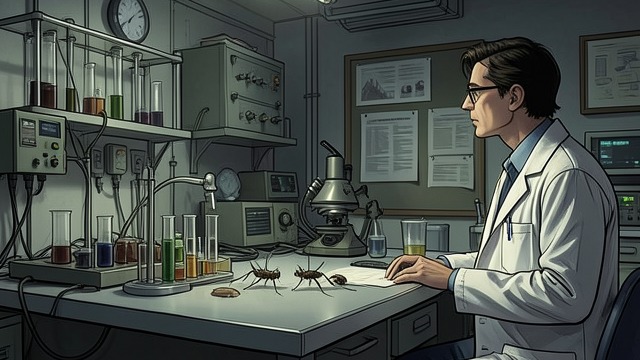
Chemicals Find a New Use
A Military Context
Research into chemical warfare produced substances that were found lethal to insects. Testing insects as targets in chemical research helped establish the possibility of insecticidal uses.
A Civilian Transition
After the war, synthetic compounds moved into agriculture, public health, and homes. The transition expanded exposure faster than knowledge of long-term ecological effects could develop.
Production Accelerates
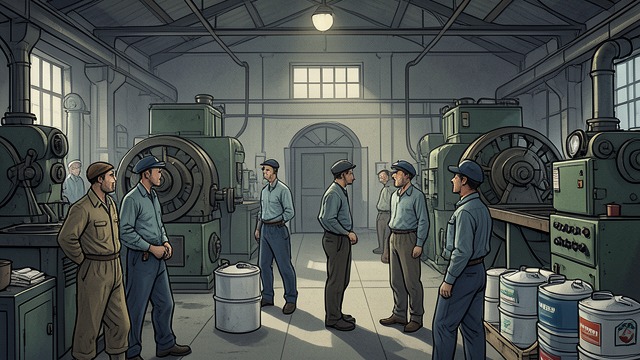
A Rapidly Growing Industry
Rising Output
Carson reports a more than fivefold increase in synthetic pesticide production in the United States between 1947 and 1960. New products and uses entered everyday life at remarkable speed.
Knowledge Falls Behind
The number of chemicals in use outpaced biological understanding of their effects. Industrial capacity expanded while methods for evaluating complex exposure remained limited.
Marketing Makes Poison Familiar
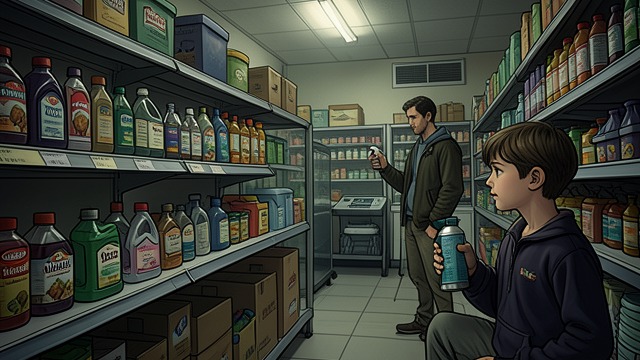
The Home as a Treatment Site
Ordinary Packaging
Insecticides appeared in supermarkets and garden shops beside familiar household goods. Cheerful presentation could obscure the hazards of products capable of causing serious poisoning.
Contact Multiplies
Consumers used sprays, powders, vaporizers, treated paper, and lawn products. Carson shows that the industrial chemical economy had moved from fields into daily domestic routines.
Regulation Trails Use

Safeguards Arrive Late
Limited Testing
Carson describes products reaching use with insufficient field testing and incomplete knowledge of interactions. In some cases, later findings forced regulators to change or withdraw earlier tolerances.
Public Exposure as a Test
When products remain in use while uncertainty is resolved, the population bears the consequences. The sequence raises ethical questions about allowing exposure before adequate evidence exists.
A Demand for Restraint

Change the System
Beyond Individual Caution
Households and farmers cannot individually solve contamination produced by widespread industrial use. Public information and effective oversight matter, but they must be accompanied by less hazardous methods.
Responsibility Reconsidered
The conflict shifts from whether chemicals can be useful to whether their use is proportionate, tested, and accountable. Carson asks society to reconsider an economy that treats chemical expansion as inevitable.
During the Second World War
From 1947 through 1960
As household products became widespread
During the 1950s and early 1960s
By the book’s final chapters
